Image
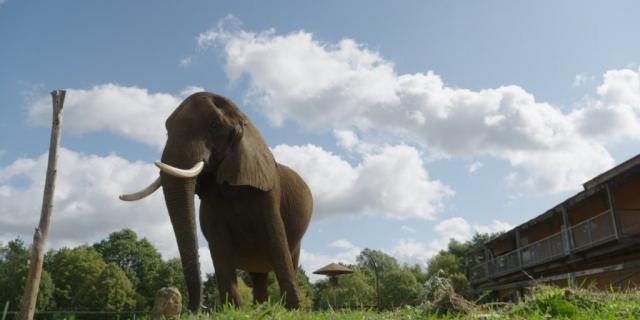
Kariba in Pangea, enjoying the sunshine
17 November 2026

It's official! After more than a year of preparation, two days of travelling and a journey of around 2,200 kilometres, elephant Kariba has arrived safe and sound at her sanctuary in Portugal. A new life begins for her after more than forty years in captivity. Taken from her native Zimbabwe when she was still a young elephant, Kariba spent her entire life being exploited in zoos across Europe. Today, she will finally be able to enjoy her freedom and have the opportunity to build bonds with other elephants again.

For GAIA, which funded and took part in this operation, this is an enormous victory for animal welfare and the culmination of many months of hard work to give Kariba the dignified retirement she deserves.

A long journey towards a new life

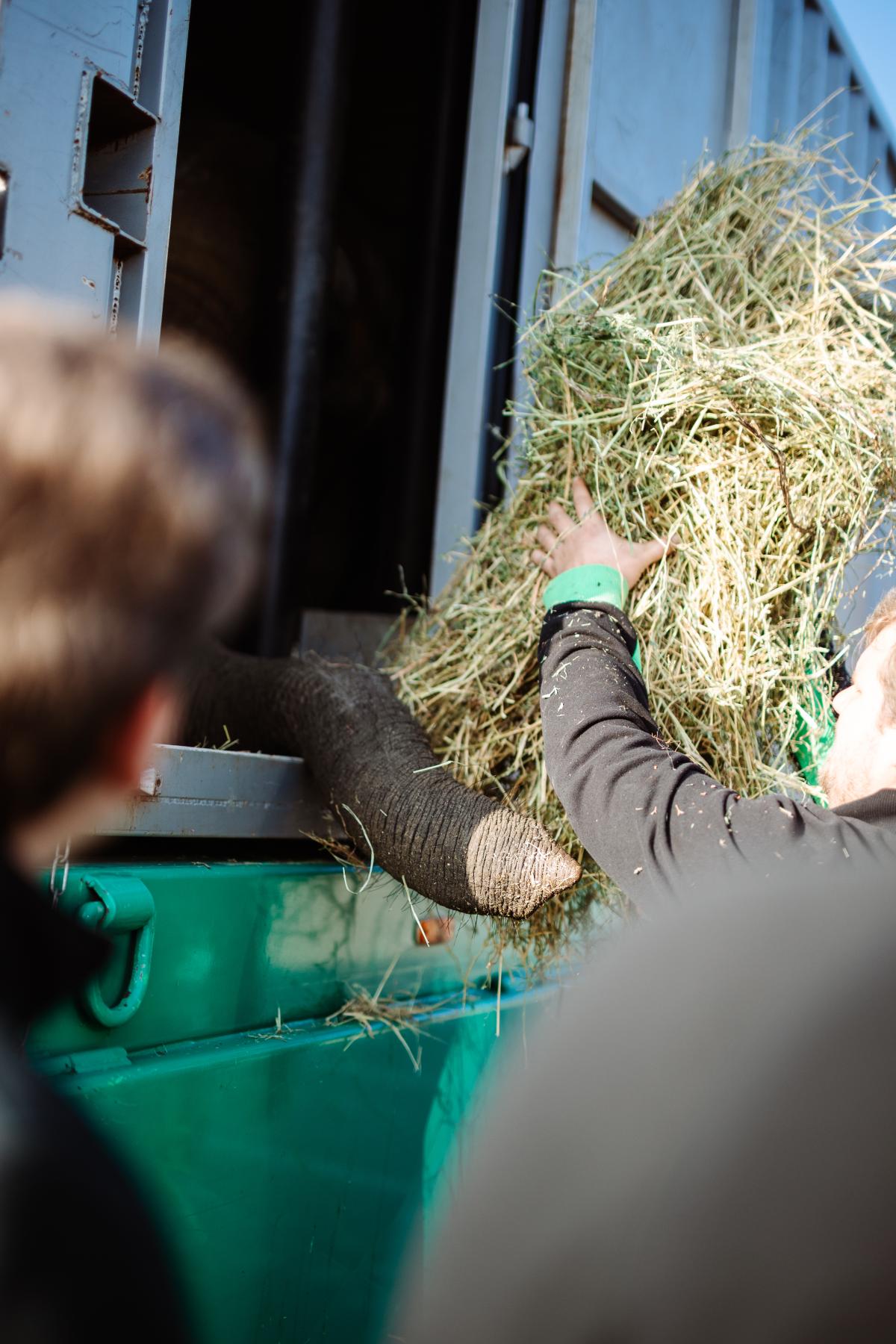
Kariba in the trailer for her move being fed for her journey

On 9 November, Kariba left Pakawi Park zoo in Belgium, where she had been living for several years. Her destination: Pangea, a sanctuary specialising in the care of elephants, located in Portugal's Alentejo region, more than 2,000 kilometres away.

Transporting an elephant over forty years old across such a distance is a major challenge. Her relocation took more than a year of preparation.

Kariba had to get used to her transport crate and suffered from several infections during the preparations.

Her journey could only go ahead once her health was considered good enough.

Kariba's welfare remained the top priority throughout the journey. A specialist team accompanied her during the two-day trip to Portugal, where her new carers were waiting for her.
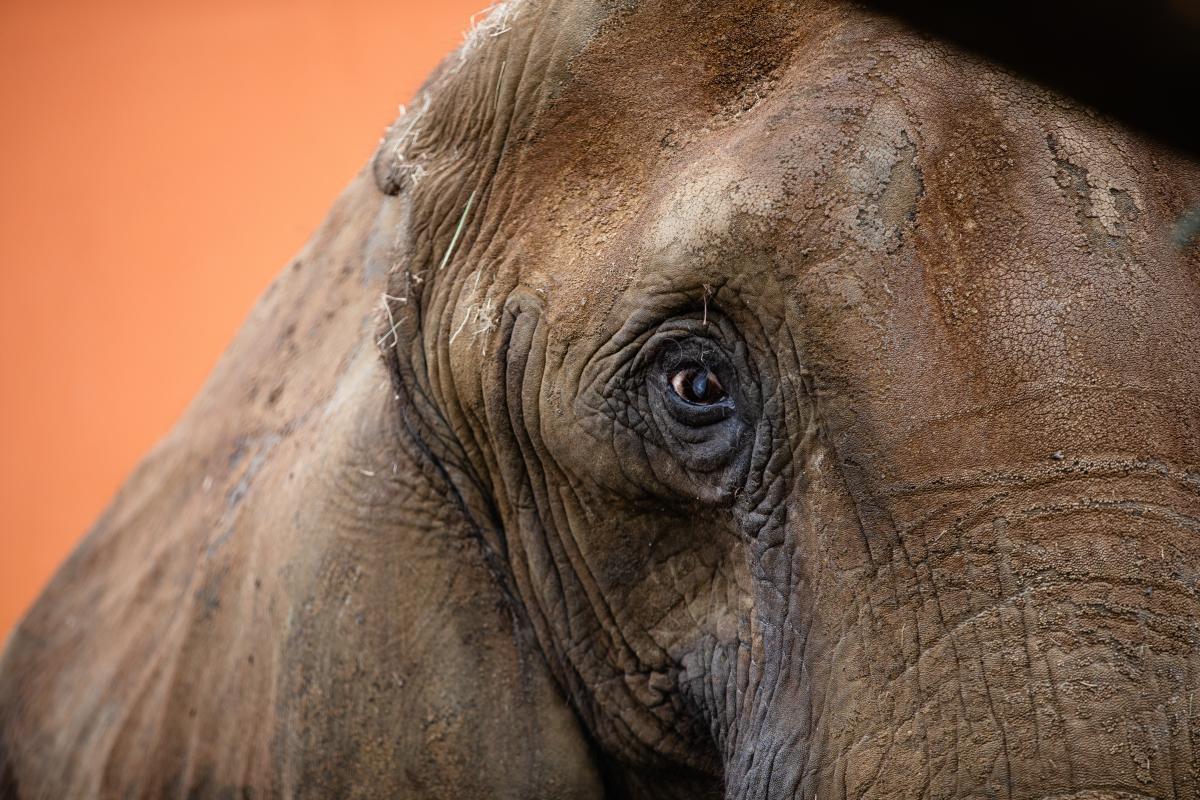
After this long journey, Kariba finally reached her destination. It was a particularly emotional moment for everyone involved in her relocation. But above all, it was a special moment for Kariba herself.

© GAIA / Pangea Elephant Sanctuary

Her first hours in her new home

As the doors of her transport crate open, Kariba cautiously makes her way down the ramp. Everyone holds their breath. Then she moves forward, sniffs the ground and, just a few minutes later, starts eating fruit and drinking at length.

Encouraged by the familiar voice of James, her carer, who has known her for years and whom she trusts, she gradually begins to explore the building. Alert but calm, she takes in her surroundings, eats some hay and enjoys pieces of watermelon. At first, she stays indoors to rest and regain her strength before exploring her outdoor space.

Julie is close by. The two elephants have not met yet, but Julie's scent is already present in the sand Kariba explores. Their introduction will take place gradually, at a pace that suits them both.

After being imagined and planned for so long, this arrival has finally become a reality. Seeing Kariba discover her new home and knowing that she will finally have the chance to enjoy the company of another elephant means so much to us. After everything she has been through, she truly deserves this new life.

From Zimbabwe to Belgium: a life in captivity

Kariba's story began more than forty years ago in Zimbabwe. While still young, she was captured in the wild and separated from her family. Instead of growing up among her own kind, she found herself exploited in a zoo. She then spent the rest of her life moving between several zoos across Europe.

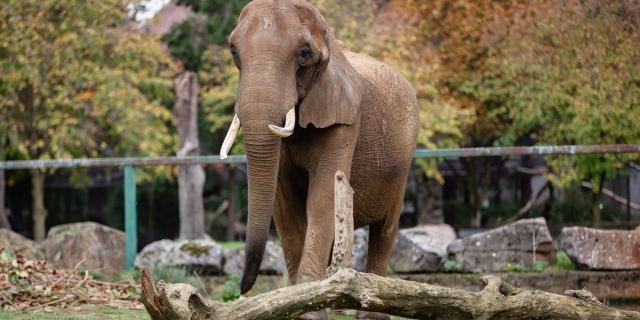
Kariba at Pakawi Park

Kariba was eventually transferred to Pakawi Park in Belgium, where she lived alongside another elephant, Jenny. When Jenny died in 2022, Kariba was left alone.

For an animal as social, sensitive and intelligent as an elephant, this isolation is particularly difficult. In the wild, African elephants live in close-knit family groups. They form lasting bonds, communicate with one another and look after each other.

In Portugal, Kariba will finally have the opportunity to connect with another elephant: Julie, the sanctuary's first resident.

Their introduction will take place gradually, under the supervision of Pangea's specialist carers.

A new home where she can finally live more like an elephant

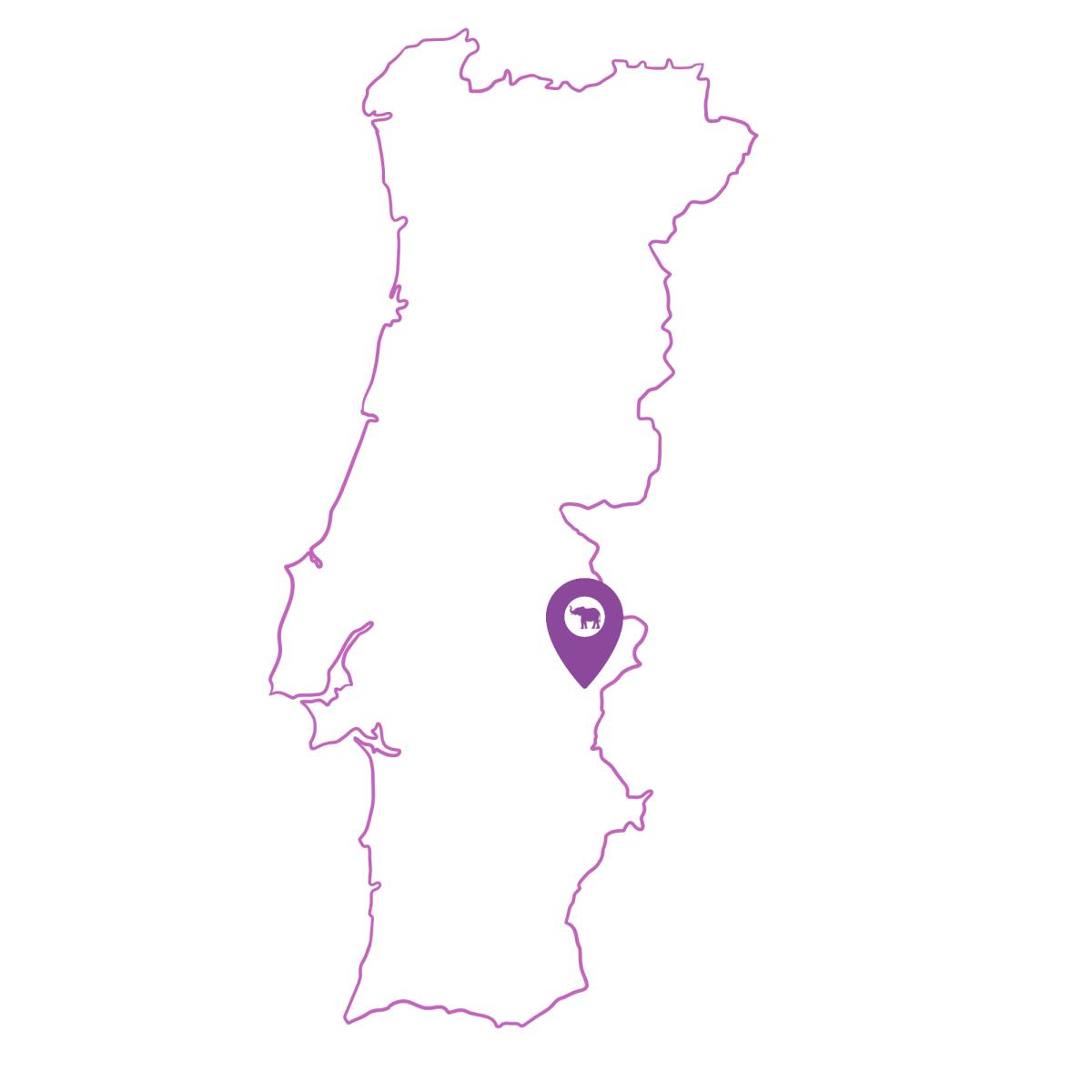
Kariba's new home is in the Alentejo region of southern Portugal. Pangea has more than 400 hectares of natural land, providing elephants who have spent many years in captivity with an environment better suited to their needs.

Map of Portugal

Kariba will be able to explore her surroundings, enjoy much more space and make her own choices. Where does she want to rest? Which direction does she want to go? When would she rather be alone? For an elephant who has spent most of her life in an enclosure, this freedom of choice makes all the difference.

Kariba will need time to adjust to her new surroundings. And she will have all the time she needs. Her carers will support her every step of the way, taking her age, health and individual needs into account. Kariba will set the pace.
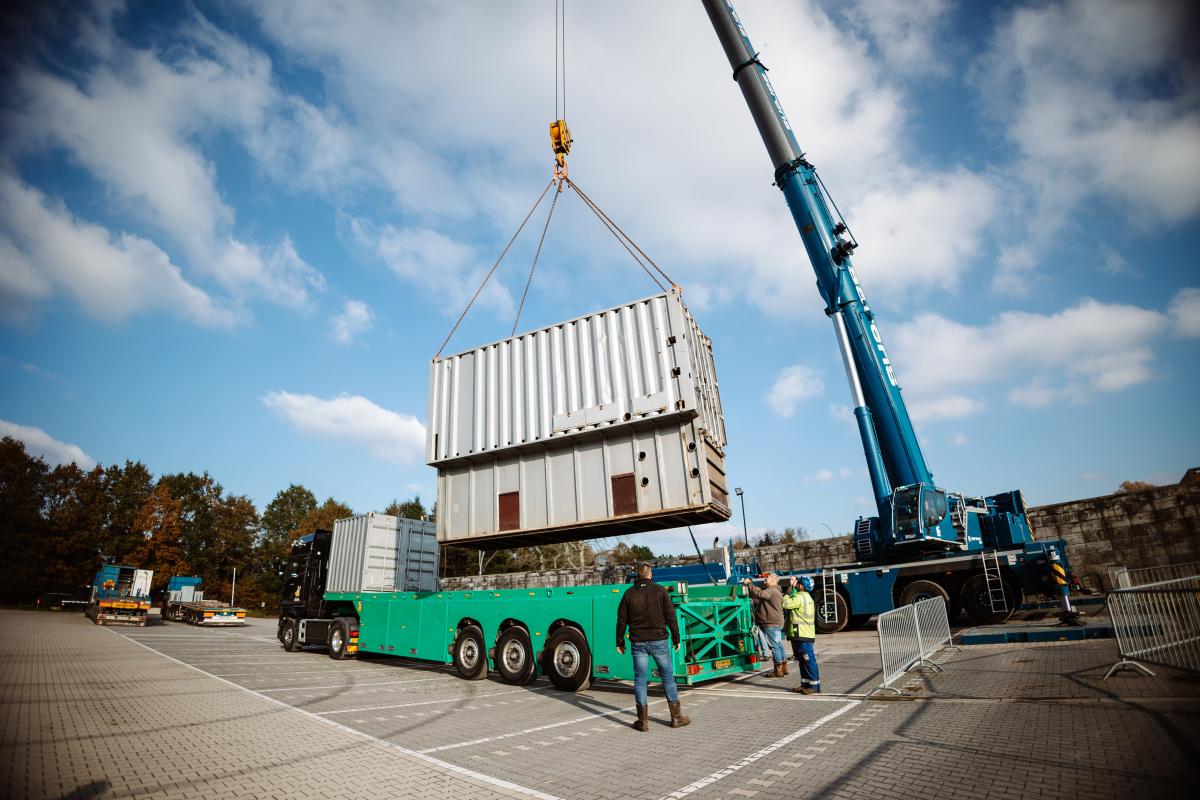

The trailer which brought Kariba to Pangea

An exceptional collaboration for Kariba

Kariba is in Portugal today thanks to a long-standing collaboration between GAIA, Pakawi Park and Pangea. Together, the three partners worked to give Kariba a future in which her welfare would come first.

A project like this cannot be improvised. Arranging suitable transport, carefully preparing the relocation and ensuring that Kariba receives lifelong care require time, expertise and considerable financial resources.

GAIA took responsibility for organising and funding the transport and has also committed to covering Kariba's care costs at Pangea. This was made possible in particular thanks to the generous support of our donors and members of the Kariba Club. They stood by Kariba, even when her departure had to be postponed for longer than expected. Thanks to this collective effort, Kariba can now begin a new life in an environment that better meets her needs as an elephant.

A new beginning for Kariba… and for other animals?

Kariba's relocation also sends a broader message: it is possible to give animals a future beyond captivity and exploitation in zoos.

Question marks

Elephants have complex physical, social and emotional needs. They need space, contact with other elephants and the freedom to make their own choices. These are needs that traditional zoos cannot meet.

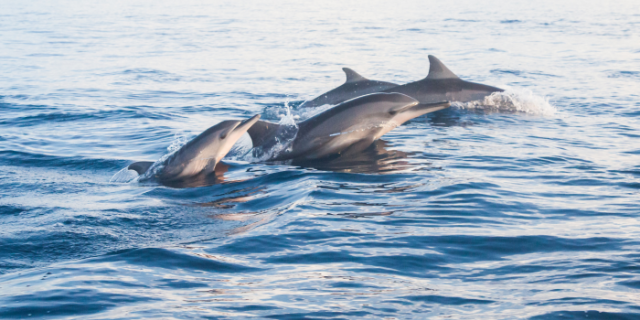
And Kariba is not alone. Many other wild animals also spend their entire lives in captivity, including the dolphins at Boudewijn Seapark in Bruges, which must close by 2037 at the latest. GAIA is campaigning for them to be transferred to a specialised marine sanctuary, such as the one in Taranto, Italy. Just as Pangea offers a new future for elephants, a sanctuary like this could provide dolphins with living conditions better suited to their natural needs.

I am relieved that Kariba has arrived safely at the sanctuary. Her story shows that another way is possible. Zoos should take inspiration from this rescue and have the courage to offer wild animals a dignified retirement, rather than keeping them in captivity until they die. We are particularly calling on Boudewijn Seapark in Bruges to follow this example and give the dolphins still in its care a new life in a marine sanctuary.

Michel Vandenbosch
President of GAIA
KARIBA HD2

Would you like to follow Kariba's new life?

Discover her story and follow her next adventures in Portugal at kariba.be.
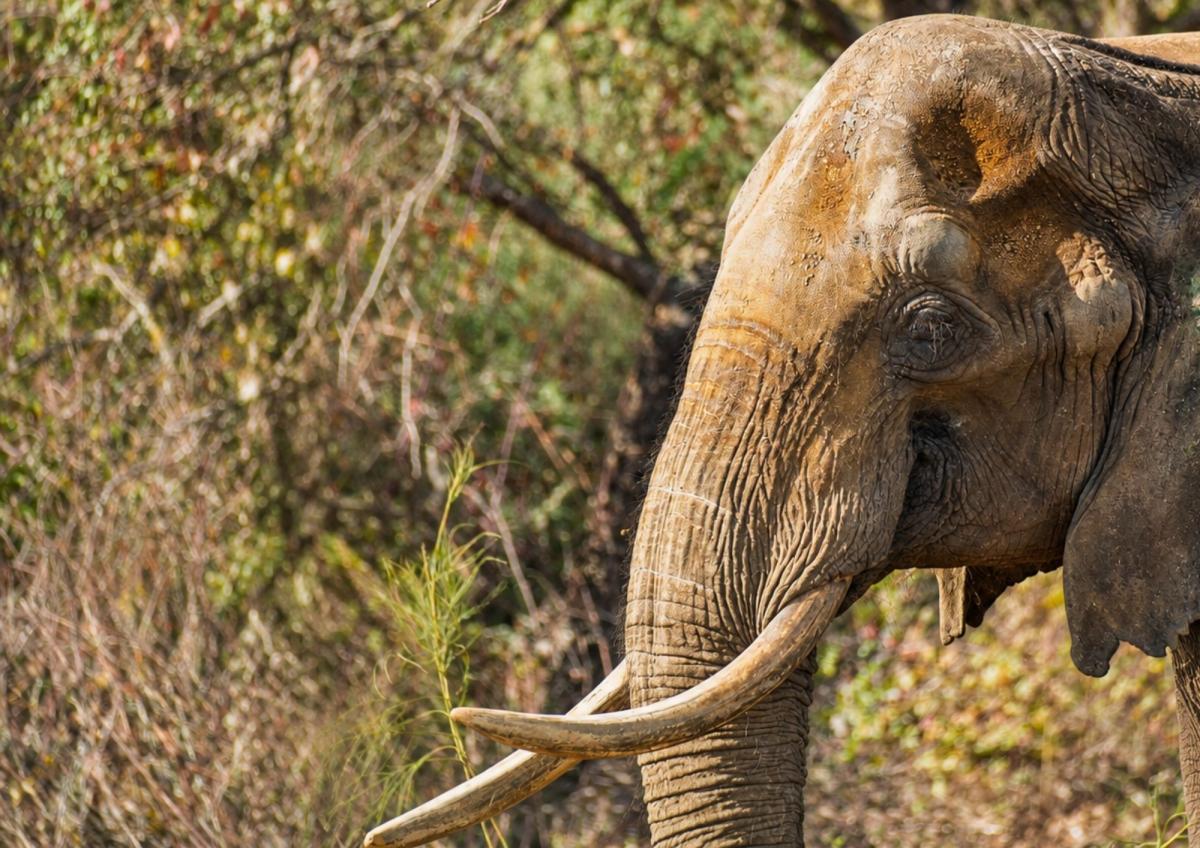
Kariba in Pangea, enjoying the sunshine
© Pangea Elephant Sanctuary / Jose Fontes

Questions fréquentes

Kariba a vécu plus de quarante ans en captivité et était privée de contacts avec d’autres éléphants depuis 2022. Au sanctuaire Pangea, au Portugal, elle bénéficie d’un espace de plus de 400 hectares, de liberté de choix et de la possibilité de renouer des liens avec ses congénères.

Kariba a parcouru environ 2 200 kilomètres entre le Pakawi Park, en Belgique, et le sanctuaire Pangea, au Portugal. Le voyage a duré environ deux jours, sous la supervision d’une équipe spécialisée. Son transfert a nécessité plus d’un an de préparation.

Une autre éléphante, Julie, vit déjà à Pangea. Kariba et Julie feront progressivement connaissance, sous la supervision des soigneurs spécialisés du sanctuaire.

GAIA a pris en charge l’organisation et le financement du transport de Kariba et s’est également engagée à contribuer à ses soins au sanctuaire. Ce projet est rendu possible grâce au soutien des donateurs et des membres du Club Kariba.

Oui, lorsqu’une structure d’accueil adaptée existe et que le zoo accepte de céder l’animal plutôt que de le vendre ou de le transférer dans un autre établissement. GAIA plaide notamment pour le transfert des dauphins du Boudewijn Seapark, à Bruges, vers un sanctuaire marin spécialisé, comme celui de Tarente, en Italie.