
Alarming living conditions
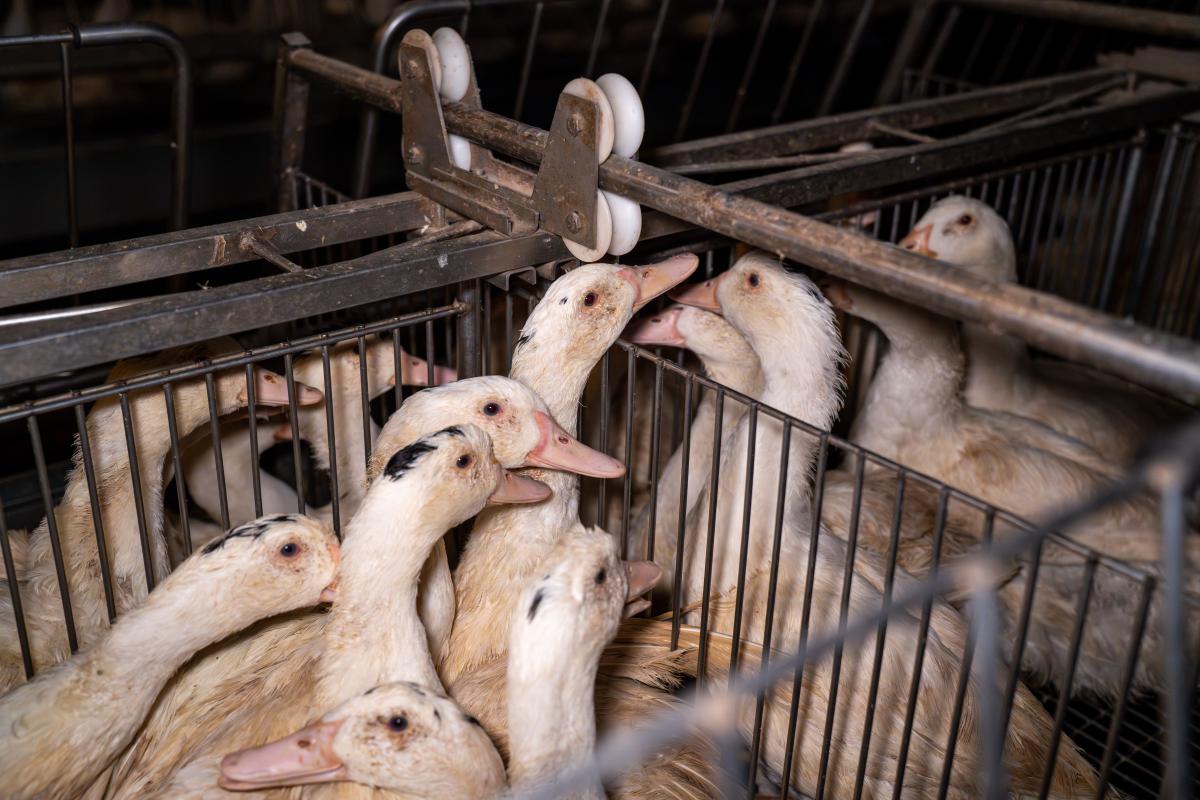
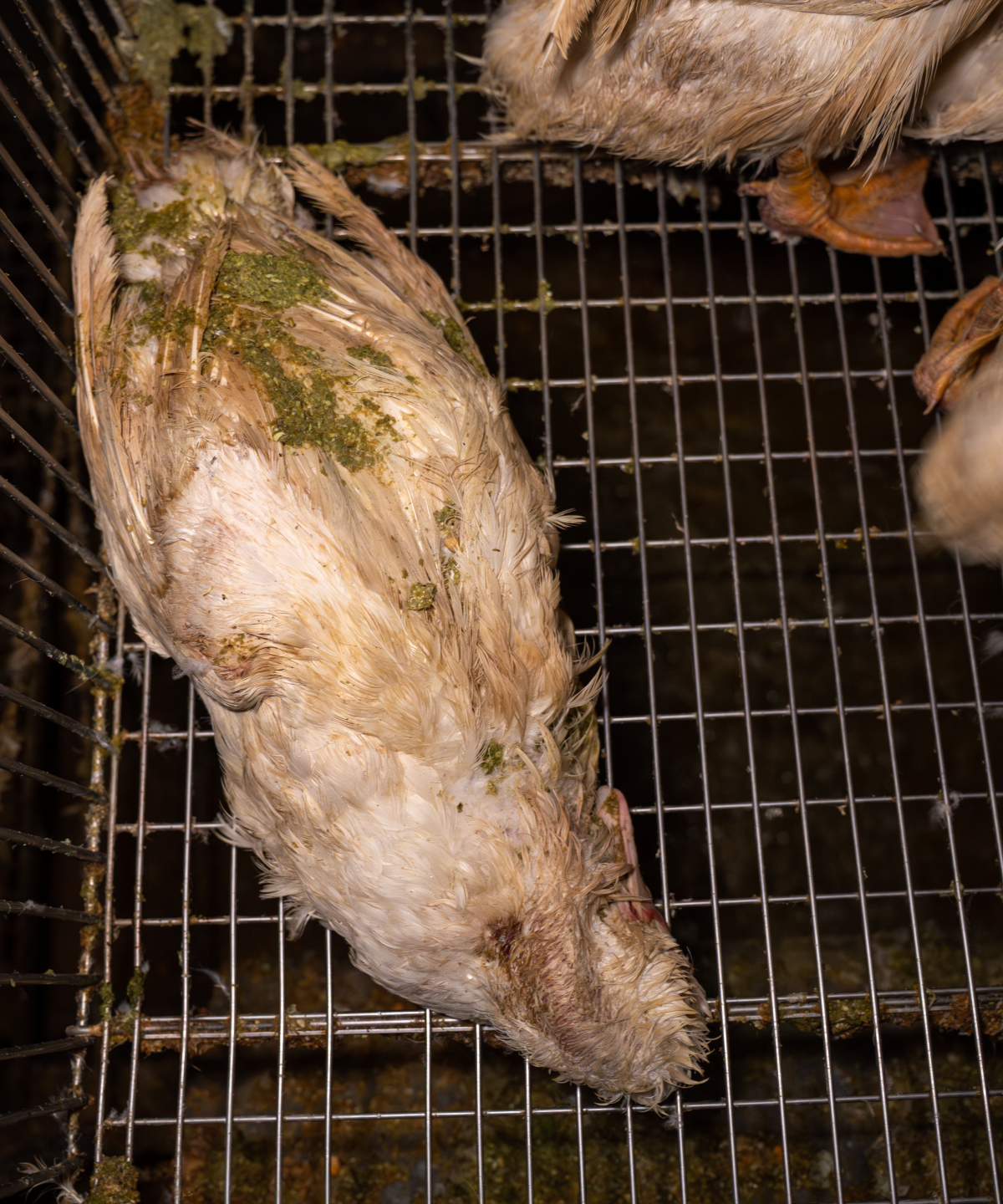
The videos show nearly 400 ducks confined in cramped cages, on slatted floors, inside a shed with no access to the outdoors and mostly kept in darkness. Dead animals lie on the ground next to live ducks, some of them injured. During force-feeding, the ducks are handled brutally.
For GAIA, these images illustrate the cruelty inherent in foie gras production. And this is not the first time. Back in 2021, our association had already released damning footage, including from this very same farm.
At the time, no concrete measures were taken to put an end to the practices exposed.
A sector supported by the Walloon authorities
Beyond the images themselves, another element is deeply concerning: Wallonia is not merely maintaining this production, it is also helping to expand it.
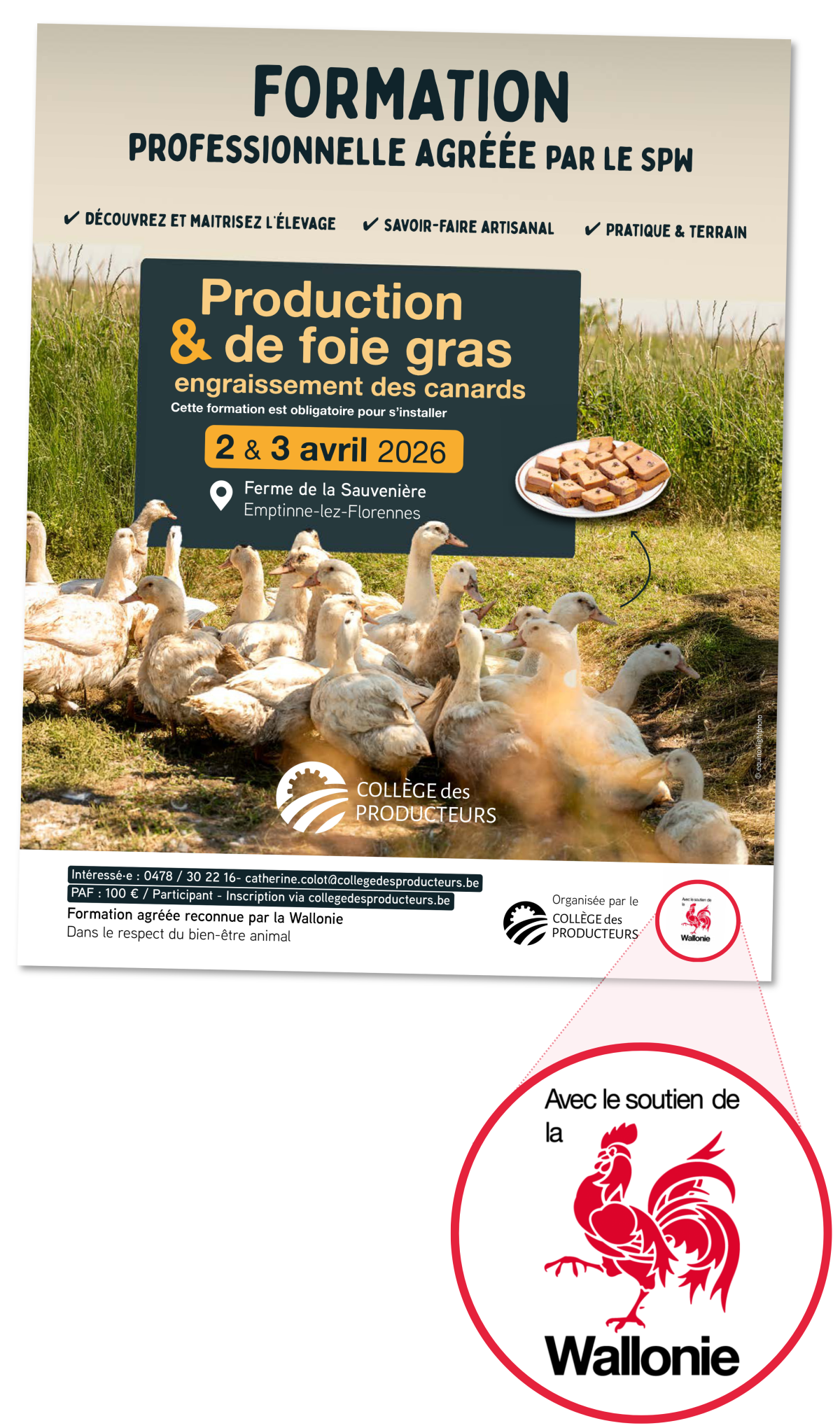
GAIA denounces the organisation of an official training course aimed at training force-feeders and strengthening the foie gras sector, with the support of Walloon Minister for Animal Welfare Adrien Dolimont (MR). Announced in July 2025 as part of his Strategy for Animal Welfare, this training took place in early April 2026, at the initiative of the Collège des Producteurs and with the approval of the Walloon Region. Even more disturbing, it was held on the very farm where the footage released by GAIA was filmed.
Shocking remarks
The comments made during this training course trivialise the animal suffering caused by force-feeding. Some speakers reportedly explained how to downplay, in the eyes of consumers, the impact of this practice on animal welfare.
Foie gras: a disease
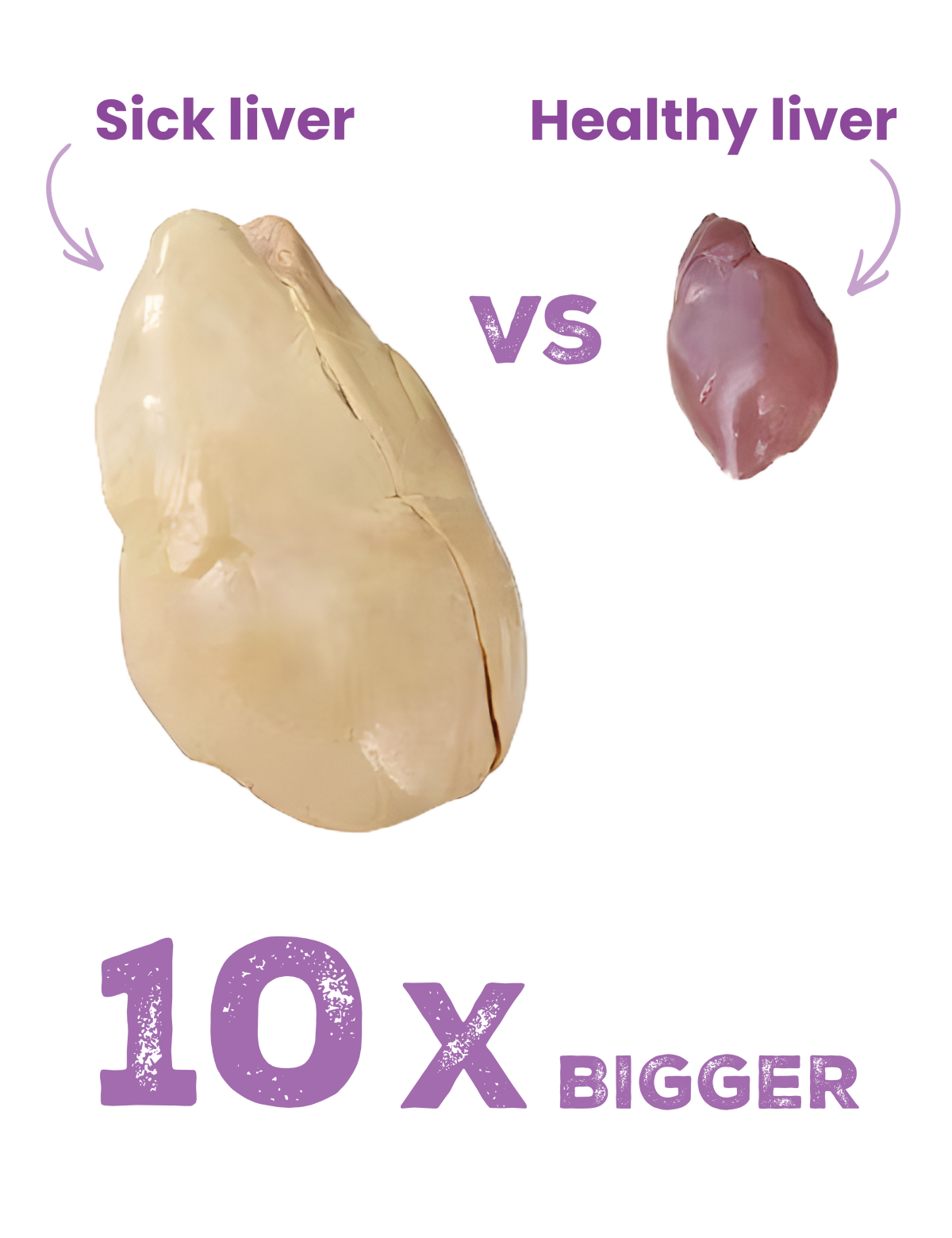
Foie gras is produced by forcing ducks to ingest large quantities of maize mash until it causes a liver disease known as fatty liver disease. Their liver can grow to up to ten times its normal size. The animals struggle to move, suffer from breathing difficulties, and during this period mortality is 10 to 20 times higher than on farms where no force-feeding takes place.
An increasingly isolated practice
In Belgium, the Brussels-Capital Region banned force-feeding in 2017, followed by Flanders in 2018. Wallonia is now the only region in the country still allowing it.
In Europe, only five countries still produce foie gras: France, Spain, Bulgaria, Hungary and, in Belgium, Wallonia. Everywhere else, force-feeding is banned either explicitly or in practice.